A Space for Understanding and Growth
"Psychotherapy offers a space to reimagine, reflect, and gently portray your true self, reshaping how you see yourself and relate to others."
Mariam Fatehi, Ph.D., Psychoanalytic Therapist
Contact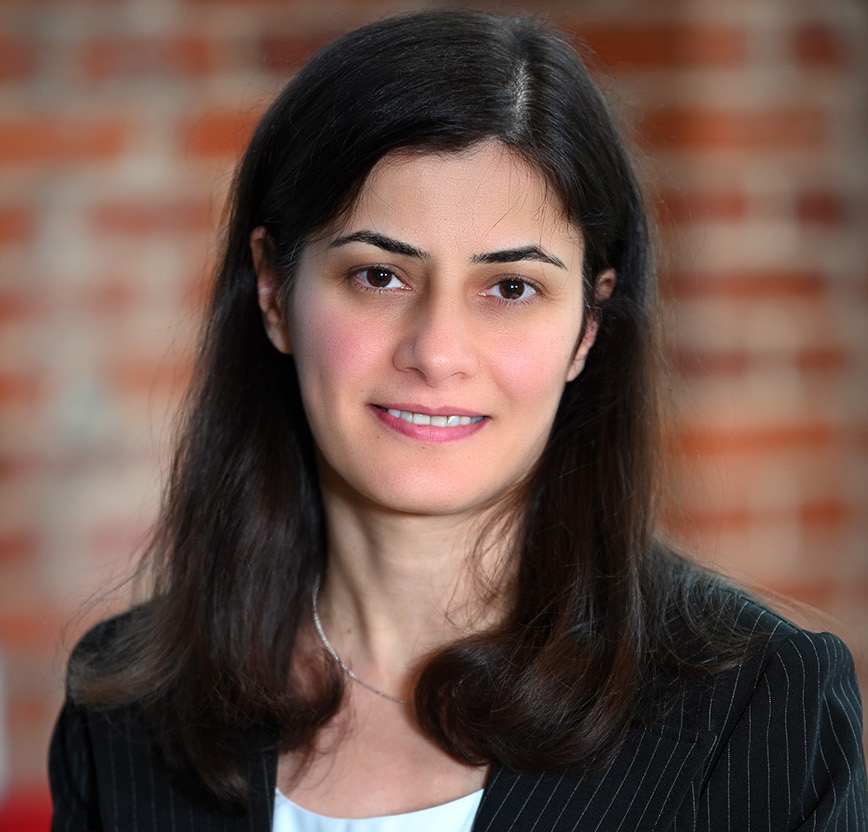
Credentials
Education
- Ph.D. & MSW - University of Georgia
- MA in Clinical Psychology - Iran University of Medical Sciences Tehran Psychiatric Institute
License
- LCSW (CSW009940), Georgia, USA
Advanced Training
- Academic Candidate - Emory University Psychoanalytic Institute
- Research Fellowship - UMass Chan Medical School
- Certification in Qualitative Methods in Family and Social Science - University of Georgia
About me
I am a graduate of the University of Georgia and am board certified in clinical social work, based in Atlanta, Georgia. I completed a research fellowship at the University of Massachusetts Chan Medical School. Currently I serve as an instructor at Georgia State University while pursuing advanced training in psychoanalytic theory at Emory University Psychoanalytic Institute.
I also hold an MA in clinical psychology from Tehran Psychiatric Institute, where I trained in an eclectic approach grounded in psychoanalytic theory. Prior to relocating to the United States, I was a licensed clinical psychologist in Tehran, with nine years of experience (2005-2014) in both private practice and at the Family and Child Clinic of Shahid Beheshti University, where I also taught courses and supervised clinical interns.
In my clinical work, I support individuals navigating challenges related to identity, adjustment, trauma, eating disorders, anxiety, and depression. I work primarily with adults who are interested in deepening self-awareness and gaining insight into their relational patterns. I also offer couples and family therapy to support the development of healthier and more meaningful relationships.
In addition to my clinical practice, I have authored several peer-reviewed journal articles and conference presentations on mental health and substance misuse, interpersonal trauma, parent–child relationships, emerging adulthood, and personality development. I serve on the editorial board of the Journal of Evidence-Based Social Work, contributing peer reviews for multiple academic journals.